
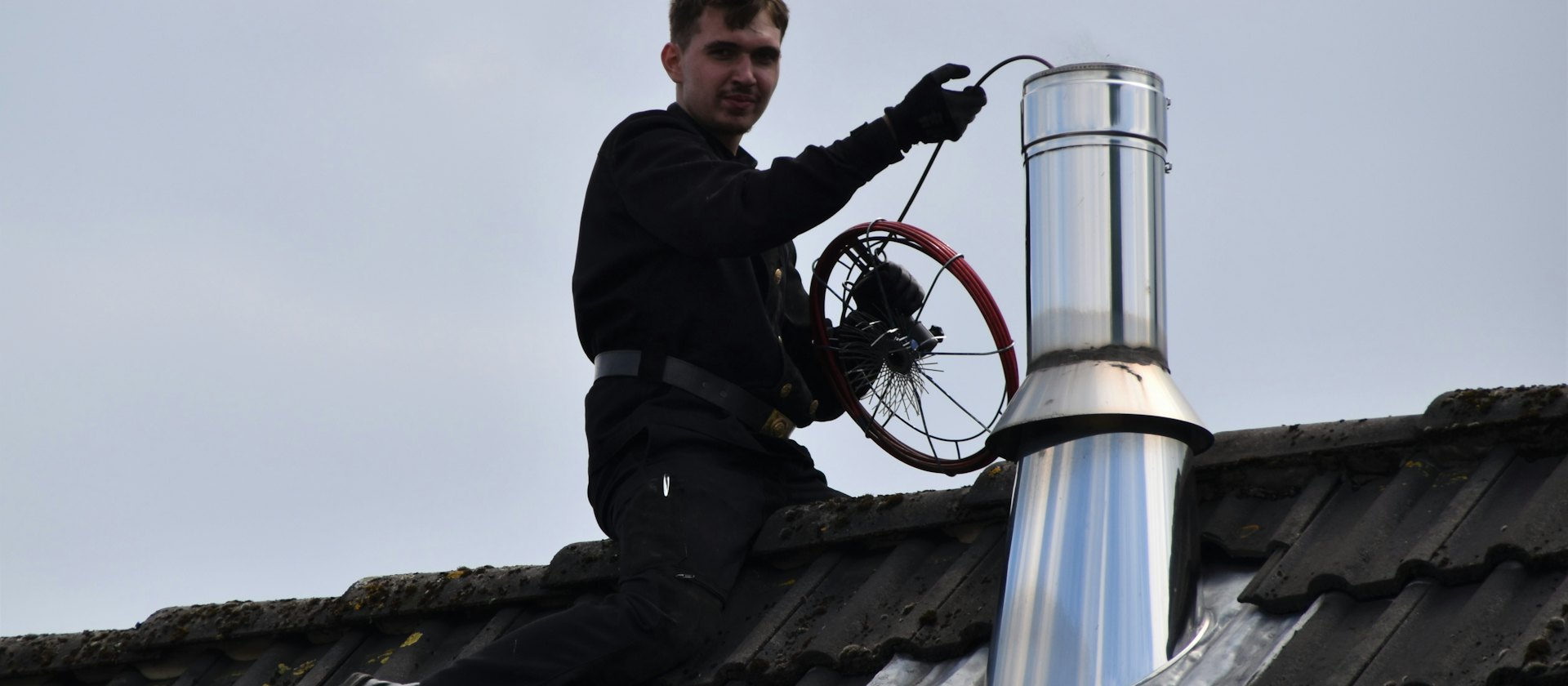
Serving Farragut, Knoxville & East Tennessee
Chimney Cleaning, Inspection & Fireplace Care
Enjoy your fireplace with confidence. We clean, inspect, and care for chimneys and fireplaces across East Tennessee.
- Free, no-obligation estimates
- Residential & commercial
- Careful, clean, safety-focused work
Chimney cleaning
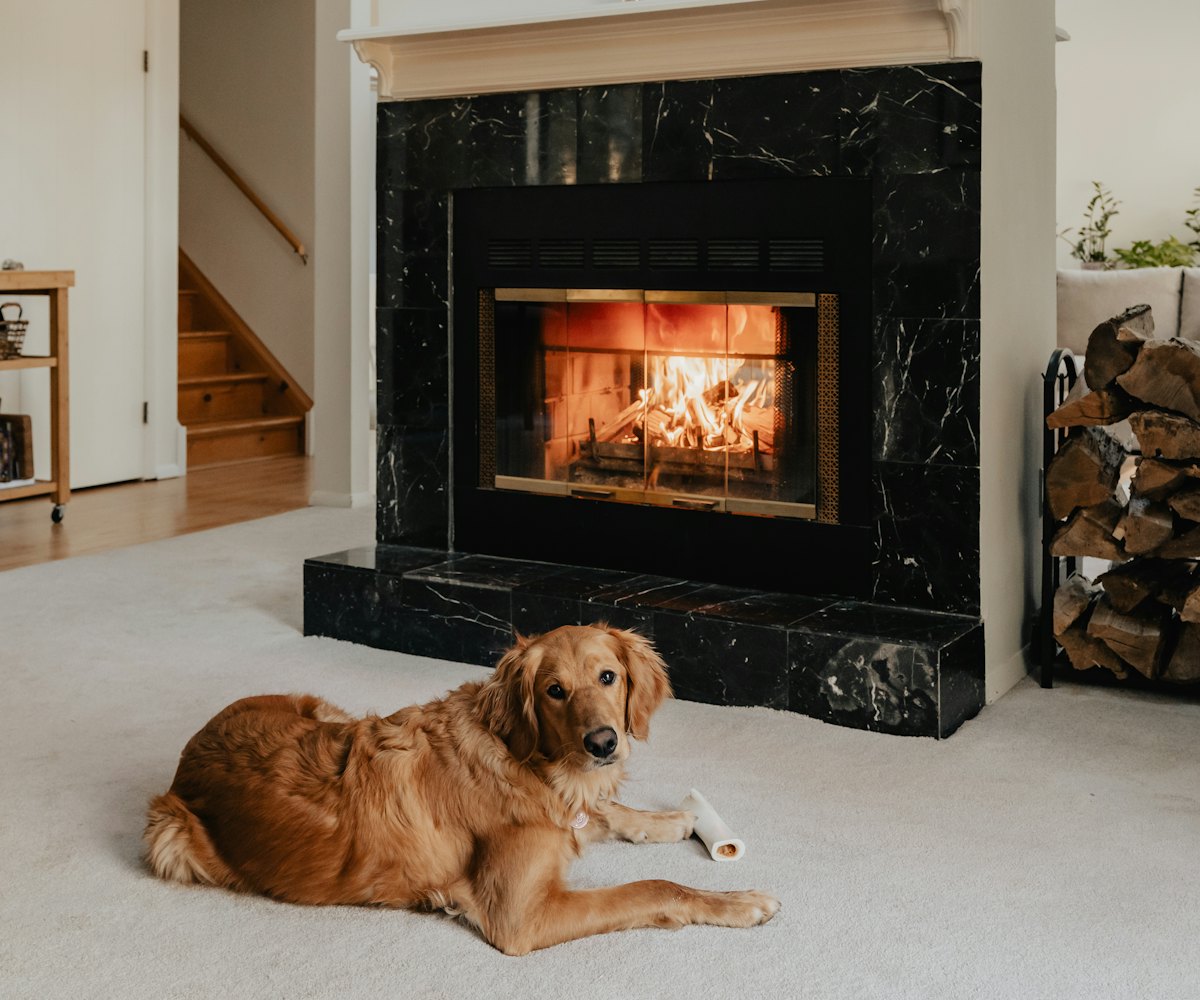
What is chimney cleaning?
When wood burns, it leaves behind soot and creosote, a sticky, flammable residue that coats the inside of your chimney. As it builds up, it can restrict airflow and increase the risk of a chimney fire.
Chimney cleaning (often called a chimney sweep) removes that buildup from the flue, smoke chamber, and firebox so your fireplace drafts properly and burns more safely.
-
Creosote removal
Reduce the buildup that can fuel chimney fires.
-
Better draft
A clear flue helps smoke go up and out, not into your living room.
Chimney inspection
Know your chimney is safe before you light a fire
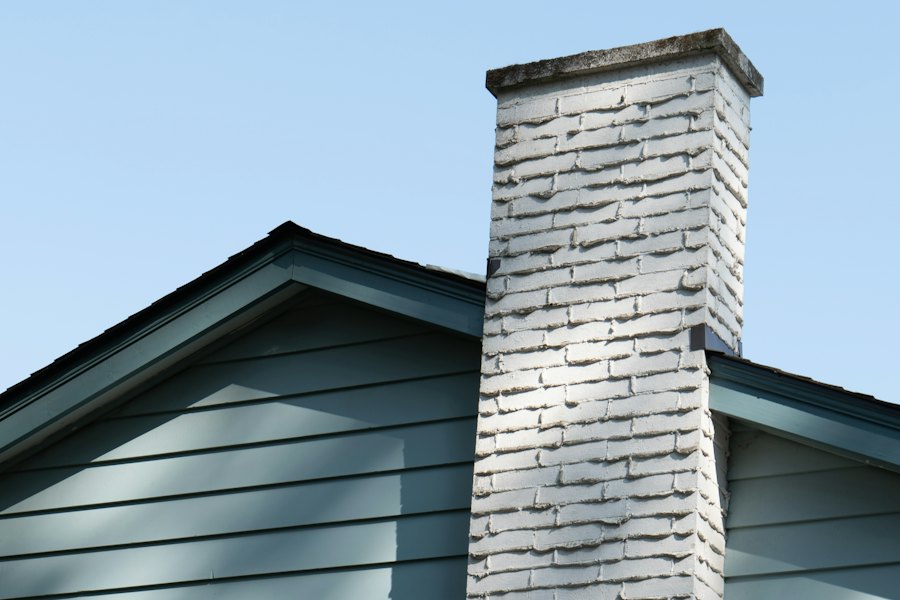
A chimney inspection is a careful check of the parts of your chimney that keep smoke and heat moving safely out of your home. We look for buildup, blockages, and visible damage, then explain what we found in plain language.
-
Flue and liner check
We look for creosote buildup, blockages, and visible cracks.
-
Exterior check
Crown, cap, and visible masonry are checked for wear or damage.
-
Firebox and damper
We make sure the damper works and the firebox is in good shape.
-
Clear findings
You get an honest summary and recommendations. No pressure.
Fireplace cleaning
A clean, inviting fireplace, ready for cold evenings
Fireplace cleaning focuses on the parts you see and use: the firebox, grate, and doors. Removing ash, soot, and residue makes your fireplace look better and helps it work properly.
-
Firebox cleaning
Ash and soot are removed from the firebox.
-
Grate and doors
Grates are cleaned and glass doors are cleared of residue.
-
Mess-free process
We protect the surrounding area and clean up when we're done.
Signs you need it
Signs your chimney needs attention
Things you might notice
-
Smoke drifts into the room when the fire is lit
-
A strong, smoky odor near the fireplace, especially in humid weather
-
Dark, flaky, or tar-like buildup inside the firebox
-
Fires are hard to start or keep going
-
Debris, leaves, or animal sounds in the chimney
Good times to schedule
-
Before the first fire of the season
-
It's been a year since the last inspection
-
You just bought a home with a fireplace
-
You haven't used the fireplace in years
-
After a storm or anything that may have damaged the chimney
Benefits
Why chimney care matters
Lower chimney fire risk
Removing creosote reduces the fuel that chimney fires feed on.
Better airflow
A clear flue helps smoke leave your home the way it should.
Catch problems early
Small issues are easier to address before they become big ones.
Fewer odors
Cleaning can help reduce smoky smells that linger in your living space.
A fireplace you'll use
Enjoy cozy evenings without second-guessing whether it's safe.
Peace of mind
Know your chimney has been checked and cared for by a careful team.

What's included
What's included in a chimney service visit
-
Home protection
Drop cloths and covers protect your floors and furniture.
-
Flue cleaning
Soot and creosote are removed from the flue.
-
Smoke chamber & firebox
We clean the areas just above and inside the fireplace.
-
Damper check
We make sure the damper opens, closes, and seals.
-
Visual inspection
We check for visible damage, blockages, and wear.
-
Findings & recommendations
You'll get a clear summary of what we saw.
Our process
How chimney service works

-
01
Free estimate
Tell us about your fireplace and when you last had it serviced.
-
02
Schedule
We'll find a time, ideally before you need your fireplace.
-
03
Clean & inspect
We protect your home, clean the chimney, and check its condition.
-
04
Review
We share our findings and answer your questions.
FAQs
Chimney Services questions
How often should I have my chimney inspected?
Fire-safety guidelines recommend an inspection once a year, even if you rarely use your fireplace.
How often does a chimney need cleaning?
It depends on how often you burn and what you burn. An inspection will tell us whether a cleaning is needed now.
What is creosote and why does it matter?
Creosote is a residue that builds up inside chimneys as wood burns. It's flammable, so removing it helps reduce the risk of a chimney fire.
Do you service gas fireplaces?
[PLACEHOLDER: confirm whether you service gas fireplaces and gas logs, then update this answer.]
Will chimney cleaning make a mess?
We protect the area around your fireplace and clean up when we're finished.
When is the best time to schedule?
Late summer and early fall are ideal, before you need your fireplace. That said, we're happy to help any time of year.
Get your fireplace ready
Schedule a free chimney or fireplace estimate today.